- Find a Provider
-
Services
-
Redeemer Health provides compassionate care across every stage of life.
- View all Services
-
- Patients & Visitors
- Locations
- Careers
categories:

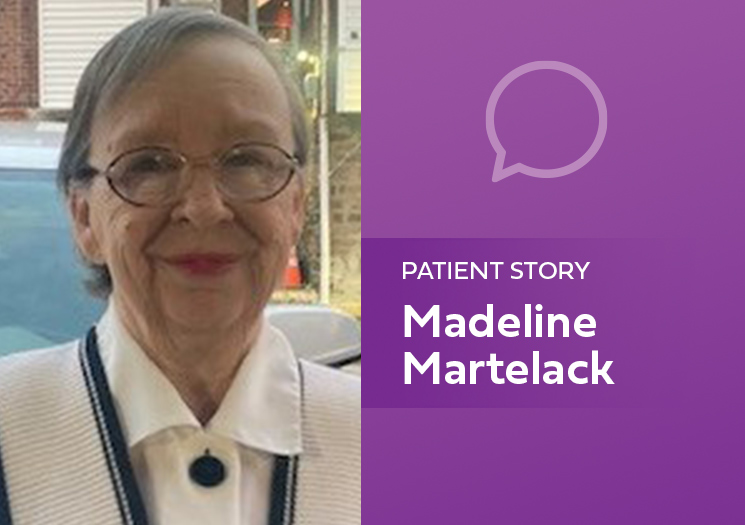
Madeline Martelack is back to making her trademark pretzel-crusted cheesecake. She is also crocheting again. And driving. Only six months ago the 79-year-old Mayfair resident struggled to even lift her arm.
Her ordeal started with pain and numbness in her neck and back, which extended to her head and down her leg. “I started walking funny,” she recalls. “I looked like I was drunk.”
Her symptoms grew worse. She began to experience a fidgety feeling. “At night, when I was supposed to be sleeping, I would be in my bedroom walking the floor,” she says.
Things went from bad to worse and her abilities became severely limited. “I wasn’t able to write,” she recalls. “I wasn’t able to feed myself. I couldn’t clothe myself.” She needed a solution, and one emerged.
A source of hope
Her nephew’s wife had just undergone surgery on her neck, performed by James McKenzie, MD, an orthopedic spine surgeon at Redeemer Health’s Comprehensive Spine Center, a partnership with Global Neurosciences Institute. The spine center emphasizes a collaborative, interdisciplinary approach and offers the combined expertise of orthopedic surgeons, neurosurgeons, pain specialists, and rehabilitation experts.
“I knew I should go see Dr. McKenzie,” Martelack recalls. She wasn’t disappointed. “Dr. McKenzie was very, very, very nice, and I just felt so comfortable with him from the time I walked through his door.”
Then the doctor said something that stopped her cold: “I can help you, but I need to see an MRI.” Martelack explained that she was claustrophobic and petrified of MRIs. “I couldn’t go through a car wash without hyperventilating.” That’s when Dr. McKenzie made an offer no other provider had ever made for Martelack: He would have an anesthesiologist on hand if she needed sedation.
The MRI went smoothly, but within a couple of hours Dr. McKenzie called with the news. They found a large tumor. It was a rare lesion called a meningioma, at the base of her brain.
“I was actually relieved to find out what it was,” Martelack recalls. By that time, she had fallen several times and was desperate to find an explanation for her symptoms. Dr. McKenzie already had a team in place to handle Martelack’s care.
A team approach
The center’s interdisciplinary approach came into play in Martelack’s case, Dr. McKenzie says, as he enlisted the help of center colleague Atom Sarkar, MD, a neurosurgeon with Global Neurosciences Institute.
“This is why the Comprehensive Spine Center works so well,” Dr. McKenzie says. “I was able to contact Dr. Sarkar, a neurosurgeon who has much more experience with meningiomas. He and I worked together to treat Madeline.”
Drs. McKenzie and Sarkar teamed up to perform an operation that took almost eight hours. “I believe working together on Madeline’s behalf would give us the best opportunity to stabilize the cervical spine and deal with the tumor,” Dr. McKenzie says. “And that’s what makes our place special.”
When the procedure was over, they had good news for Martelack. Not only had they managed to remove the entire growth, but it was not malignant. The effects of the surgery were immediate.
Martelack recalls, “After the surgery, the doctors were standing there at the bottom of my bed, and one of them said, ‘Can you lift your arm?’ And I did. I lifted my arm!”
Dr. McKenzie says recovery from procedures like Martelack’s can be challenging, but he has been surprised at the pace of his patient’s improvement. “Madeline got stronger every week, and she had significant improvement,” he says. “By the time I saw her two weeks later, I was shocked at how well she was walking and the strength she was getting back in her left hand. And now at almost six months, she’s doing wonderfully,” he says.
Dr. McKenzie believes Martelack made the right choice by coming to the center. “Patients have different treatment options when it comes to chronic low back or neck pain, and it’s important that they understand that by coming to a place like Redeemer Health’s Comprehensive Spine Center, they get more than they would from a single physician. It’s a team-based approach.”
Martelack rates her satisfaction with her care at the spine center as “Over 100 percent! I just can’t praise Dr. McKenzie enough,” she adds.
Martelack is enjoying the benefits of her experience. “I like to bake, and I’ve started taking an interest in that again,” she says, noting that she had to abandon her hobby because she couldn’t lift anything. “Now I have an interest in all the things I used to do. My quality of life is wonderful now.”
A partnership between Redeemer Health and Global Neurosciences Institute, the Comprehensive Spine Center is an innovative program where the combined expertise of neurosurgeons, orthopedic surgeons, pain specialists and rehabilitation specialists work together to provide dedicated support and navigation throughout your care. Call 215-910-4463 or visit www.compspinecenter.com for further information.
topics in this article
categories:

Philadelphia, Pa. – December 2022 – Looking back on 35 years of service to the city’s most vulnerable, Drueding Center has served more than 4,200 Philadelphia families who have experienced homelessness and food insecurity.
The Drueding family gifted the building at the corner of Master and Lawrence streets, once known as the Drueding Infirmary, to the Sisters of the Redeemer in the late 1980s, and they opened its doors as Philadelphia’s first transitional housing program. Drueding Center was incorporated as a non-profit organization. With the help of the Department of Housing and Urban Development (HUD), renovations were made and services were added, including child care. Called Project Rainbow at the time, the facility was able to house up to 20 families. Since then, Drueding Center’s services have expanded well beyond transitional housing.
Drueding Center marked its 35th anniversary in 2022. “It all started with a study in 1986 that revealed an urgent need for transitional housing,” said Anne Marie Collins, who has been with the center for 30 years, and has served as executive director since 2004. “So many necessary services have been offered to the community through Drueding Center since that first year,” she said. Collins explained that Drueding Center is now organized into three divisions: transitional housing, community programs, and child care services. The center is also home to the Green Light Food Pantry, which provides exclusively healthy food such as fresh produce, dairy and proteins.
Collectively, Drueding Center’s programs and services have been a steady source of support for the city. “The city’s response to homelessness is working,” said Elizabeth G. Hersh, director at the city’s Office of Homeless Services. “Philadelphia counts on organizations like Drueding Center to step up and provide real solutions to real challenges. On behalf of the Office of Homeless Services, I want to thank everyone at Drueding Center and congratulate you for reaching 35 years of remarkable service to Philadelphia.”
While parents in transitional housing focus on work, school and their own growth, Drueding Center’s child care program is licensed and committed to provide high quality early childhood education, regardless of a family’s circumstances. The center earned 4A Keystone STARS, the highest designation from the Pennsylvania Office of Child Development and Early Learning. This early childhood education is available to children ages five and younger, from families in the center’s residence, former residents, and families from the local community.
“Drueding Center has been a source of great pride and joy for us,” said Mike Laign, President and CEO of Redeemer Health. “The center provides Philadelphia with success stories year after year, helping the city respond to challenges like homelessness, food insecurity and early education for families in need. I am confident that Drueding Center leadership and its board will continue to adapt to the changing housing and support needs of the families it serves and make a meaningful difference for many years to come.”
Success stories date back to the very dawn of Drueding Center’s influence on Philadelphia’s wellbeing. A young woman named Marlene found herself struggling with both homelessness and addiction, with her first two children already in tow in 1989. The 15 months she spent in Drueding Center’s transitional housing helped Marlene write the beginning of a new life story. A nursing degree, an undergraduate degree, and eventually a master’s degree in trauma counseling have given her the opportunity to provide direction for people just like her younger self. Now with five children and a team of grandkids, Marlene is a role model and a valuable resource to her city.
“The time I lived at Drueding Center was just the beginning,” Marlene explained. “They provided guidance for me for five years after that, and helped me transition into my own home. And now, all these years later, I’m still humbled by Drueding Center’s influence on the success of my life.”
The guidance Marlene mentions is after-care, providing follow-up support for up to seven years to former residents after they move into permanent housing. The support consists of home visits, connecting families with resources, and help with goal planning, Collins explained. There’s also the New Neighbors program, run in partnership with the local HUD office, supporting formerly homeless families who have a member with a disability. Additional support comes in the form of housing subsidy, case management, liaising with landlords, and more.
“Marlene’s story is particularly touching during this year’s milestone at Drueding Center,” said Charlotte O. McKines, Chair of the center’s board of directors. “It wasn’t just the transitional housing that made a difference to Marlene. It was the wrap-around support, the after-care guidance, the unconditional comfort while she healed and recovered from trauma. That positive energy gave Marlene the direction she needed to finish her education, raise her family and eventually provide care to people who need the same support she did. Drueding Center helped Marlene overcome homelessness and addiction, but the center also helped her find her life’s purpose and walked by her side during her journey toward being a counselor. She is an amazing success story. We are so proud of her!”
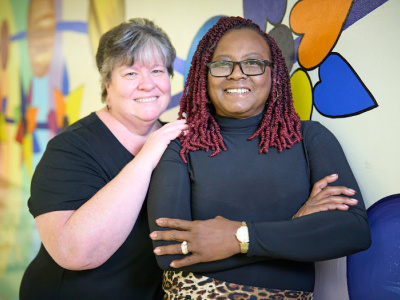
Collins was Marlene’s after-care case manager in the early years at Drueding Center. They recently had a reunion on the front steps of the center, when Marlene had the opportunity to hug Collins decades later. “It was so exciting to see her,” said Collins. “We haven’t seen each other for 25 years. Marlene is a prime example of what someone can accomplish if somebody believes in them.”
Marlene responded: “Everything that has been given to me, I pour into my clients, because I remember where I came from. I am truly grateful. You encouraged me. You never gave up on me.”
topics in this article
categories:
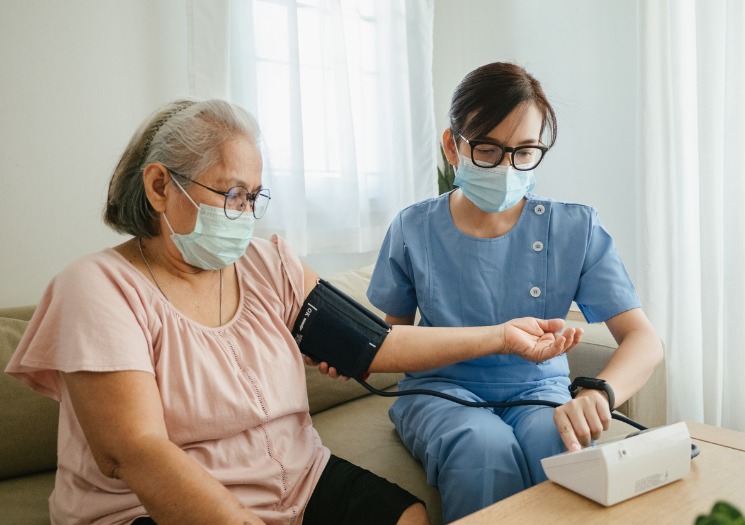
MEADOWBROOK, Pa. – November 2022 – Redeemer Health launched the first Hospital at Home program in the Philadelphia region this year. The program puts care providers in patients’ homes, delivering hospital-level acute care for patients with diagnoses such as pneumonia, urinary tract infection, cellulitis, dehydration, congestive heart failure, COPD and more. The Centers for Medicare & Medicaid Services (CMS) has approved 114 health systems to operate Hospital at Home programs so far, with five other systems approved in Pennsylvania.
“This is the future,” said Mary Ellen Cockerham, DNP, RN, senior director for Acute Care in the Home, who is heading the program’s launch. “This type of care can be done in the home safely, and it’s better for patients.” A national study of the Hospital at Home model found it to result in better clinical outcomes, higher patient and family satisfaction, fewer complications often associated with hospital stays, and less expense, she said.
The Hospital at Home program was recently granted $100,000 to purchase necessary in-home patient monitoring equipment and to outfit a command center at Holy Redeemer Hospital.
Patients enter the program from either Holy Redeemer Hospital’s emergency department or an inpatient unit, Cockerham explained. A physician provides ongoing assessment and treatment through a combination of in-home and virtual visits, along with a dedicated team of experienced RNs and health navigators. The program includes multiple daily visits, 24/7 access to on-call providers, transportation to and from Holy Redeemer Hospital, delivery of medication, equipment and three meals a day; and support from social workers, pastoral care, physical therapists and others.
To qualify, patients must meet criteria including safety of their home environment, family support and proximity to the hospital. Redeemer Health’s Hospital at Home program can accommodate traditional Medicare and Aetna Medicare patients. Additional coverage plans could be added soon.
Patients wear a “biovitals” patch that communicates their vitals and other information to a user-friendly electronic tablet they keep with them. The information is then sent to a command center at the hospital. Cockerham emphasizes that patients don’t need to be tech savvy to use the equipment, and internet access isn’t necessary. “The equipment is very easy to use, even for those who are not comfortable with computer equipment,” she explained. “For example, one touch on the tablet screen can request a nurse call, visit, or telehealth appointment.”
She notes that while Hospital at Home is new to the Philadelphia region, the concept is well-established. “The pandemic certainly was a catalyst for Hospital at Home,” she says. “But the concept has been around since the 1970s. Other countries are using it with success.” American health systems that have adopted the model include Duke Health, Cleveland Clinic, Mount Sinai Health System, Brigham and Women’s Hospital, Massachusetts General Hospital, the Mayo Clinic, and Geisinger Medical Center in central Pennsylvania.
categories:
MEADOWBROOK, Pa. – October 2022 – A new technology at Redeemer Health is helping reduce or even avoid lymphedema, nerve injury, and shoulder mobility issues in some mastectomy patients. These improved outcomes in patients with breast cancer result from leaving lymph nodes intact during surgery.
The new localization system harnesses the power of magnetics to guide decisions. Its probe works like a metal detector that, when placed near the skin, detects magnetic markers that help determine the scope of breast and lymph node surgery.
This option is particularly relevant for those with an early form of breast cancer called ductal carcinoma in situ, or DCIS, who are undergoing mastectomy. It has normally been the practice with such patients to remove sentinel lymph nodes at the time of surgery in case the cancer is invasive and has spread to those nodes. Sentinel lymph nodes are the first lymph nodes to which cancer cells are likely to spread from a primary tumor. Their removal is typically critical in determining whether a breast cancer has spread and helps set a course of treatment.
“It has a lot of advantages,” says Dr. Stacy Krisher, breast surgeon and medical director of the breast health program at Redeemer Health Cancer Center. “This is a step forward in the surgical treatment of breast cancer.”
Dr. Krisher explains that traditionally dye mixed with radioactive material is injected into the breast to identify the sentinel lymph nodes for removal. The dye is picked up by the breast’s lymphatic system and travels through the lymphatic vessels to the lymph nodes in the patient’s armpit. When using conventional dyes, which stay in the nodes for only a couple of hours to a day, the lymph nodes must be taken out right away.
This system, on the other hand, enables a process called delayed sentinel lymph node biopsy. A liquid tracer that has been developed specifically for sentinel node biopsies is injected before the mastectomy, and because it remains in the lymph nodes for up to 30 days, there is time to get a pathology report on the breast and determine whether sentinel lymph node removal is necessary. If the cancer is deemed non-invasive, patients can safely keep their lymph nodes. But if there’s concern that the cancer has spread, the tracer dye will still be in the sentinel nodes to guide a biopsy.
According to the system manufacturer, up to 80% of ductal carcinoma in situ (DCIS) patients do not need to have their lymph nodes removed. Leaving the nodes intact spares these patients the potential negative effects of lymph node removal, such as a fluid build-up called lymphedema.
“There are a lot of potential side effects to removing lymph nodes,” says Dr. Krisher. “It can cause lymphedema in the arm or chest wall that can be problematic and can increase the risk of having numbness. Any surgery in the axilla can further affect arm movement or extend recovery.”
The longer time frame provided by this system is critical, she says. “If we do find invasive cancer, we go back and take the lymph nodes if we need to. But we can otherwise leave them in place and avoid the risks of lymphedema, nerve injury, and shoulder mobility issues.”
Dr. Krisher has had cases in which the lymph nodes would automatically have been removed, but thanks to the new system they were preserved.
Additionally, the system provides a new way to target tumors for removal that improves comfort and convenience for patients. The magnetic marker is used to localize tumors, helping surgeons to accurately detect and remove it.
topics in this article
categories:

MEADOWBROOK, Pa. – November 2022 – St. Joseph Manor has earned its place on Newsweek’s Best Nursing Homes list again. The 2023 list recognizes 475 nursing homes in 25 states, only two of which are in Montgomery County, Pa.
“The indicators ranking nursing homes in this survey validate what we’ve known about St. Joseph Manor all along,” said Christine Holt, Executive Vice President and COO of Life Care at Redeemer Health. “We provide not only comprehensive long-term care, but also a full range of amenities that enrich the lives of our residents. We are so proud that we’ve earned this distinction for two years in a row, because it signifies that treating our residents like family creates a legacy of high quality service.”
St. Joseph Manor provides both long- and short-term care. In addition to long-term, individualized care for residents, caregivers provide short-term services that help prepare patients for a safe return home after a hospital stay. These include physical, occupational and speech therapy, wound care, infusion, nutrition counseling, social services, and many physician specialties.
The Best Nursing Homes 2023 ranking lists facilities with excellent key performance data, peer recommendations, accreditation, and response to the COVID-19 pandemic.
St. Joseph Manor is located at 1616 Huntingdon Pike, in Meadowbrook, Pa. Call 215-938-4108 or visit here to learn more. For more information about Redeemer Health’s Life Care communities, visit here.
categories:
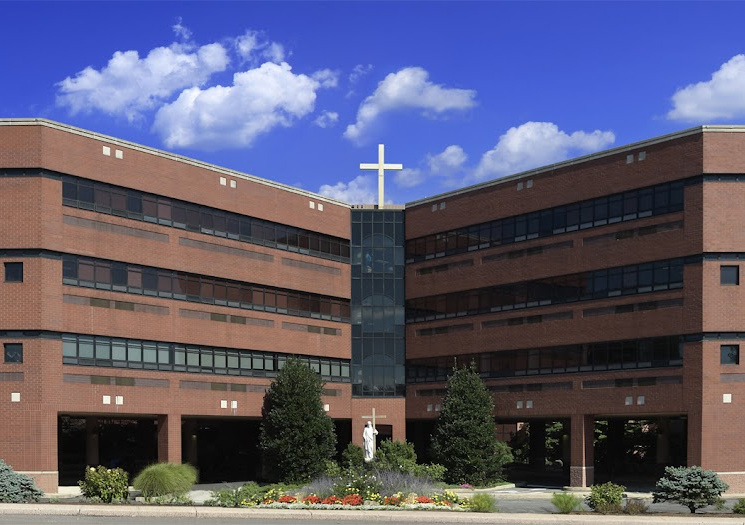
MEADOWBROOK, Pa. – Nov. 16, 2022 – Holy Redeemer Hospital received an “A” grade for hospital safety for the seventh time in a row from the Leapfrog Group. The fall 2022 grade reveals high achievements in infection prevention, handwashing and safe medication administration. The hospital has scored an “A” every semiannual cycle since fall 2019.
“Some of our high scores in this cycle’s survey have to do with staff working together to enforce safety, effective leadership in prevention of errors, and the qualifications of our nurses and ICU physicians,” said William Scarlett, DO, MHCM, FACS, FACOS, Senior Vice President Cancer Care and Health Care Delivery at Redeemer Health. “High performance in those talent-based categories results in excellent scores across the board. We’re proud of our team for its ongoing commitment to patient safety.”
The Leapfrog Group, an independent national organization, assigns letter grades to hospitals across the country based on more than 30 performance measures reflecting errors, accidents, injuries and infections, as well as the systems hospitals have in place to prevent harm. According to the Leapfrog Group, its hospital safety grade is the only ratings program based exclusively on hospital prevention of medical errors and harm to patients. The grading system is peer-reviewed, fully transparent and free to the public. An “A” is a sign that hospitals are continuously evaluating their performance, so that they can best protect patients, according to the Leapfrog Group.
“Our continued success in safe patient care is a reflection of the commitment we made years ago and continue to live up to,” said Jeanette Teets, Redeemer Health VP and Chief Quality, Safety and Reliability Officer. “This level of ongoing success requires focus and responsiveness from all caregivers, staff and leadership.”
To see Holy Redeemer’s grade details and to access patient tips for staying safe in hospitals, visit HospitalSafetyGrade.org.
categories:
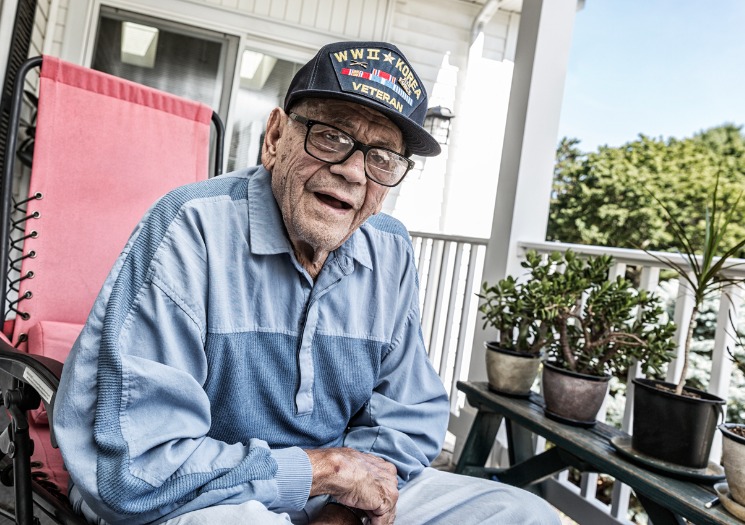
Through its special “We Honor Veterans” program, Redeemer Health Hospice brings inspiring bedside tributes to patients who are former service members.
“Honoring veterans—especially at the end of life—is an honor and a privilege,” says Hospice Clinical Manager Dana Clemons. “Many of our clinicians, including myself, are family members of veterans. Participating in the We Honor Veterans program provides a way for us to respect and serve those who gave to our country.”
One moving tribute came to Ernie*, a 97-year-old World War II Veteran under the care of Redeemer Health Hospice. A nurse learned that when Ernie was deployed to Italy and stationed with his regimen to a hill the Germans occupied, our country was losing the war. Ernie threw a grenade that blew up the hill, but in exchange, the Germans returned a grenade that landed on his abdomen. Ernie was the sole survivor from his regimen.
Grateful to Ernie and all others who sacrifice for their country, the hospice nurse arranged to honor Ernie through the We Honor Veterans program. A team was gathered to present Ernie with a veteran’s certificate, a patriotic blanket, and pin. During the pinning ceremony, a priest anointed Ernie with the sacrament of the sick.
These heartfelt gestures meant the world to Ernie and his family—as it does to the many other veterans we have the privilege to serve.
Redeemer Health Hospice is honored to collaborate with the National Hospice and Palliative Care Organization and the Department of Veterans Affairs in offering the We Honor Veterans program. As a health care system that practices a holistic approach to patient care, we are proud to support the physical, emotional, and spiritual health of the beloved and time-honored veterans who entrust us with their care. Learn more about Redeemer Health Hospice or call 888-678-8678.
*Fictitious name is being used to preserve patient privacy.
categories:
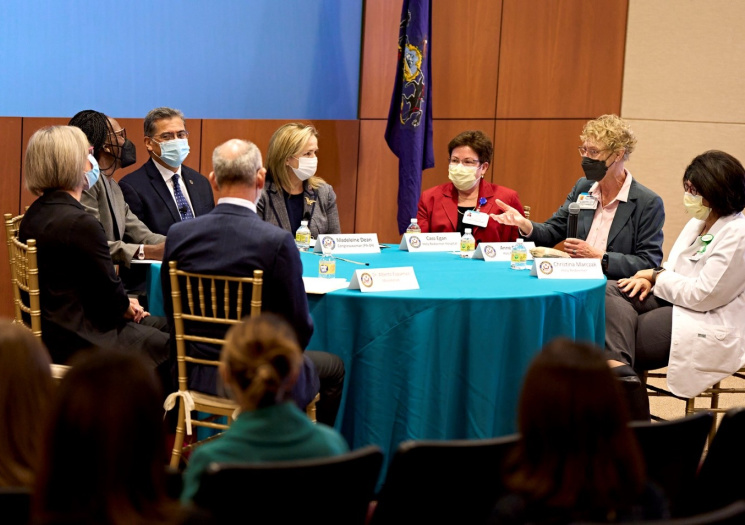
“I’m so proud of Holy Redeemer Hospital and the entire system, for what you do for the youngest babies, for our seniors, and for everybody in between,” said Congresswoman Madeleine Dean during a roundtable discussion about maternal health at Holy Redeemer Hospital. “When it comes to addressing health needs, the pandemic underscored the health disparities in our nation, with poor and minority populations in the greatest need. Yet, they are often ignored and left in the shadows. Not here at Holy Redeemer.”
Redeemer Health proudly hosted the discussion and a tour of the NICU with Rep. Dean and Xavier Becerra, U.S. Secretary of the Department of Health and Human Services. Dr. Ala Stanford, Regional Director of the Department of Health and Human Services also joined. Redeemer Health hosts included Holy Redeemer Hospital’s Chief Administrative Officer, Cass Egan; Chief Nursing Officer, Anne Catino; and Director of Maternal Child Health, Christina Marczak. Other guests included fellow grant awardees Martha Sharkey, founder of Today is a Good Day Foundation; and Dr. Alberto Esquenazi, Chief Medical Officer at MossRehab.
The goal of the visit was to talk with our hospital leaders about maternal health programs, specifically services for new mothers who are challenged with addiction.
“President Biden has instructed us to invest directly in maternal health,” said Secretary Becerra. The Redeemer Health programs serving moms struggling with addiction recently were awarded two grants to fund program expansion.
Critical services for pregnant mothers with substance use disorder (SUD) and their babies who are born with neonatal abstinence syndrome (NAS) expanded thanks to the grants. One of the grants was awarded by United States Substance Abuse and Mental Health Services Administration, and the other came thanks to Rep. Dean’s support via congressionally directed funding. The number of babies born with NAS in the Philadelphia region has increased significantly in recent years, so this expansion is vital to the Redeemer Health mission.
The hospital’s SUD program works to improve outcomes for mothers with addiction since 2013. Historically, treatment has included psychosocial care and clinical support. With the grant funds, Redeemer Health added an initiative called Navigational Empathy for SUD and Treatment (NEST), providing additional access to behavioral health counseling services and support from patient navigators.
“The opioid epidemic in the Philadelphia region has put so many moms and babies at risk,” said Catino. “The funding gave us the capacity to support these patients with a trusted advocate who provides resources that strengthen their well-being. We now provide the services of a behavioral health counselor who offers in-person and telehealth services to these vulnerable patients.”
NEST navigators eliminate barriers to transportation, appointment scheduling, counseling and childcare. They connect patients with dietary consultants, parenting education and childbirth classes, early intervention services for non-insured families, recovery support activities, and translation support for patients whose language of choice is not English.
About 40 families affected by SUD and NAS are cared for at Redeemer Health every year, said Catino.
Photo - During a discussion with dignitaries about maternal health at Redeemer Health, clockwise from left: Dr. Alberto Esquenazi, Martha Sharkey, Dr. Ala Stanford, Sec. Xavier Becerra, Rep. Madeleine Dean, Cass Egan, Anne Catino, and Christina Marczak, MSN, RN.
categories:

If you’re a wartime veteran or the surviving spouse of a veteran who needs supportive care, you should know about a VA program that can help pay for that care.
The Aid and Attendance Pension, a benefit of the Department of Veterans Affairs, provides monthly income to veterans and their surviving spouses to help pay for an assisted living or personal care facility, home care provider, adult day center, or nursing home.
The program supports veterans who require care for a disability unrelated to their military service or need help with daily living activities. The VA will also provide income to a surviving spouse who was married to a veteran with qualifying military service. Eligibility is based on the veteran’s wartime service, health and care needs, income versus medical expenses, and total assets. In 2023, benefit will pay $1,432-$2,642 per month, tax-free.
A free webinar about the benefit, sponsored by Redeemer Health, took place on November 10, led by Emily Schwarz, President of AidandAttendance.com. You can view a video of the webinar here.
“A lot of veterans and surviving spouses don’t realize this program is available to help pay for assistance with care and activities of daily living,” says David McDonald, Personal Care Administrator for Redeemer Health. He notes that Redeemer Health offers two communities—in Northeast Philadelphia and Montgomery County—that accept the payments.
Who is Eligible?
AidandAttendance.com provides a short, free evaluation tool you can use to see if you meet eligibility criteria and are a good candidate to apply. More information on criteria and applying for the benefit are available at AidandAttendance.com.
Qualifying wartime military service includes:
- World War II
- The Korean Conflict
- Vietnam Era
- Gulf War
Types of care expenses that qualify include:
- Assisted living or personal care
- Home care
- Senior living (with care)
- Memory care
- Adult day care
- Nursing home
More information on the program is available by calling AidandAttendance.com at 800-626-7145 or the VA at 800-827-1000.
A Local Opportunity
Redeemer Health’s communities for older adults are among the facilities that qualify to accept the VA Aid and Attendance benefit. These communities help older adults stay safe and independent while enjoying access to therapeutic, social, recreational, and spiritual life opportunities.
Redeemer Health Lafayette in Northeast Philadelphia, and St. Joseph Manor in Meadowbrook, PA, offer personal care accommodations and services that include:
- A wide range of personal care apartments, suites, and rooms to suit many preferences and budgets
- Housekeeping and linen services
- Three meals daily
- Recreational programs
- Pastoral care
- Nightly check-in by nursing staff
- Assistance with medical appointment scheduling, medication management, dressing, washing and grooming
If residents' care needs should increase, the communities offer additional assistance via progressive levels of personal care.
Residents enjoy additional peace of mind knowing that the facilities' unique status as members of the Redeemer Health family gives them access to Redeemer Health's wide-ranging expertise and resources.
For more information on Redeemer Health's communities, visit redeemerhealth.org/lifecare/personal-care or call 215-214-2877.