- Find a Provider
-
Services
-
Redeemer Health provides compassionate care across every stage of life.
- View all Services
-
- Patients & Visitors
- Locations
- Careers
categories:


Meadowbrook, Pa. - Oct. 24, 2023 - St. Joseph Manor, one of Redeemer Health's senior living communities, was ranked fourth in Newsweek's 2024 "America's Best Nursing Homes" out of Pennsylvania's top 30.
According to Newsweek, the rankings are based on five data sources, including performance data, peer recommendations, management of the COVID-19 situation and accreditations from The Joint Commission and Commission on Accreditation of Rehabilitation Facilities. For the first time, resident satisfaction data for nursing homes, based on National Safety Goals from The Joint Commission and Google Scores, has been added to the scoring model.
"This distinction is a testament to the dedication and hard work of our team, who consistently go above and beyond to provide exceptional care and support to our residents. We will continue to strive for excellence in providing a vibrant and nurturing community for seniors to call home," said D. Freeman, RN, BSN, NHA, PCA, the Manor's administrator.
Click here for more information about the many quality achievements and accreditations earned by Redeemer Health.
###
About St. Joseph Manor
A member of the Redeemer Health system, St. Joseph Manor is a senior living community that provides personal care, memory care, short-term rehab, and long-term care. Committed to the delivery of high-quality care, as well as strict attention to resident and patient safety and satisfaction, St. Joseph Manor continues to gain national recognition for achievement in these areas. Situated within a beautiful, historic property, the community welcomes seniors of all faiths and fosters an environment of inclusivity and fellowship. Conveniently located in eastern Montgomery County, at 1616 Huntingdon Pike, St. Joseph Manor is also easily accessible from Northeast Philadelphia and many areas in Lower and Central Bucks County. For more information about St. Joseph Manor visit: redeemerhealth.org/StJosephManor.
categories:

Philadelphia, Pa. - Oct. 23, 2023 - Having raised more than $1.8M in its first 14 years, this year’s milestone Uncorked for Kids Wine Auction is looking to top the $2M mark. Scheduled for Oct. 28, the annual wine auction turns 15 this year, with its ongoing mission to help end homelessness and food insecurity.
Since its inception, Uncorked for Kids has benefited Redeemer Health’s Drueding Center in North Philadelphia, in its efforts to end the cycle of homelessness. More specifically, since 2013, contributions to Uncorked for Kids have been used to establish and support Drueding Center’s Green Light Food Pantry. The food pantry provides fresh produce, dairy, and protein to families living at Drueding Center and in the surrounding South Kensington neighborhood.
“Attendance and generosity make a remarkable difference in the lives of Philadelphia’s most vulnerable families,” said Howard Peterson, Chair of the Uncorked for Kids planning committee. “I invite you to attend this year, and come in the spirit of being irrationally generous to help us reach $2M to support our mission.”
Uncorked for Kids donations have helped more than 1,000 families with greater than 15,000 visits to the Green Light Food Pantry, distributing more than 100,000 pounds of fresh food annually. Pounds of food distributed from the pantry increased by 44% from 2022 to 2023. Drueding Center’s programs and services have improved the well-being of more than 4,200 families, impacting more than 12,000 lives.
According to Anne Marie Collins, Drueding Center’s executive director, “Uncorked for Kids allows guests to have a great meal in good company, bid on excellent wine, and help to eliminate food insecurity.”
Uncorked for Kids will be hosted at Gulph Mills Golf Club in King of Prussia, Pa., on Saturday, Oct. 28, starting at 6 p.m. Wine auctioneer Fritz Hatton, who has more than three decades of experience in the fine and rare wine business, will make this a dazzling and successful affair. Click here for more information about this year's event, and to purchase tickets, or call 215-914-4018. To learn more about Drueding Center and Green Light Food Pantry, click here.
###
About Redeemer Health
A Catholic health care provider, Redeemer Health (RH) offers a wide range of health care and health-related services, including a 165-bed acute care hospital with a physician network and outpatient services, home health and hospice services, three skilled nursing facilities, personal care, a retirement community, low-income housing, an independent living community, a transitional housing program for homeless families, and multiple homes for intellectually and developmentally disabled adults. RH also owns and operates Community Care Collaborative, an accountable care organization. Corporate offices are located in Huntingdon Valley, Pa. The system serves southeastern Pennsylvania and New Jersey. Visit redeemerhealth.org for more information.
categories:
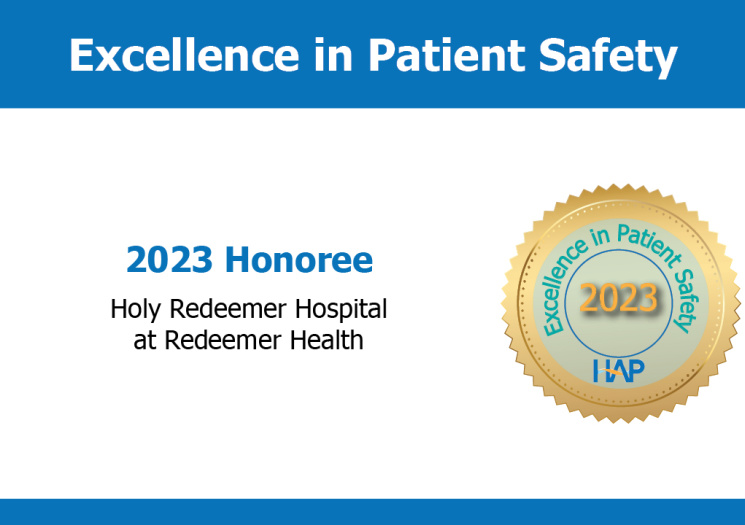
MEADOWBROOK, Pa. - Oct. 11, 2023 Holy Redeemer Hospital was one of only 29 hospitals in the Commonwealth notified by the Hospital and Healthsystem Association of Pennsylvania (HAP) that it demonstrated low rates of health care-associated infections in 2022.
HAP identified top-performing hospitals using data from the Centers for Disease Control and Prevention’s National Healthcare Safety Network. To be recognized, according to HAP, hospitals must perform better than the mean standardized infection ratio in three key measures: central line-associated bloodstream infections, catheter-associated urinary tract infections, and Clostridioides difficile (C. diff) infections. Hospitals that achieved this standard are included in HAP’s 2023 Excellence in Patient Safety Recognition program.
“This recognition validates the hard work and steadfast commitment that Redeemer Health exhibits with every patient every day,” said Cass Egan, Executive Vice President and Chief Administrative Officer of Holy Redeemer Hospital. “Preventing health care-associated infections requires unwavering attention to detail, and resolute focus on every patient’s safety. I’m proud of the team at Holy Redeemer Hospital, for insisting on a level of safety that is recognized as a top-performer.”
Nicole Stallings, HAP’s President and CEO, said, “HAP is proud to recognize the hospital teams with exemplary results from their efforts to continuously improve the quality and safety of patient care. This year, more hospitals met the criteria to be recognized than any other year since this program began. This speaks to the Pennsylvania hospital community’s strong commitment to patient safety.”
HAP is a statewide membership services organization that represents 235 hospitals as well as the patients and communities they serve. Additional information about HAP is available online, and learn more about the Excellence in Patient Safety Recognition program here.
categories:
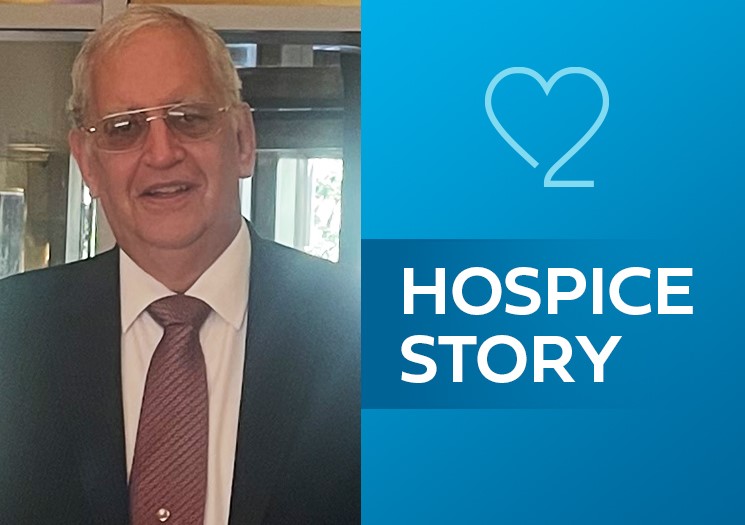
The deep timbre of Larry Brereton's voice on the other end of a phone call provides hospice patients and their families a depth of empathy that comes only from experience. It wasn't very long ago when Larry's wife was in the care of Redeemer Health's hospice team. Now he channels an informed compassion to New Jersey families who need the same comfort, as a volunteer for the hospice team.
"Everyone loves Larry," says the team at Redeemer Health's Home Care and Hospice in New Jersey. As a volunteer for the Mercer office, Larry calls patients to check on them, and he makes home visits with the caregivers. The value in his work is a two-way street, he explains. "I'm getting as much as I'm giving. I'm trying to help people, and that's good for both of us."
His wife Evelyn passed away almost six years ago at 62, after a 22-month challenge with cancer that metastasized from her lung to her brain. Larry took care of Evelyn the whole time, but eventually he knew she needed a level of care that he couldn't provide. Her doctor referred them to Redeemer Health, and the nurses, social workers and chaplains gave Larry and Evelyn the end-of-life care she needed.
 Married in 1979, Larry and Evelyn had successful careers and raised twins. Larry was a director in computer technology, and Evelyn's PhD from Rutgers University resulted in three patents. When Evelyn passed away, Larry knew he wanted to volunteer to keep busy and to help people, even while recuperating from a knee replacement during the COVID-19 pandemic. It was with Evelyn's hospice team that Larry found a way to give back.
"When Larry is included in a hospice patient's experience, a level of comfort, compassion and empathy is two-fold," said Suzanne Scarpa, BSN, RN Director of Clinical Operations. "First, he's a wonderful volunteer, a great listener, and a source of comfort for hospice patients and their families. But he also has personal experience with hospice care, and that makes him an invaluable resource to our patients."
To learn more about palliative care and hospice care in the home, visit Redeemer Health's website, or call 888-678-8678 to find out how you can access care for a loved one. If interested in volunteering with our NJ Hospice team, please reach out to Spiros Ballas at 609-695-3461.
categories:
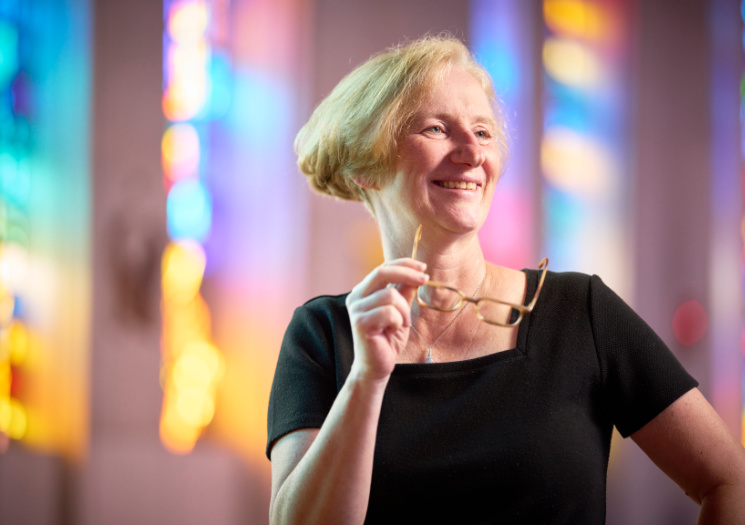
Isabelle Noblanc is an accomplished entrepreneur and proud owner of a flourishing artisan bakery in Bucks County, Pa. She’s also a two-time survivor of breast cancer. Now thriving alongside her wife Chef Magali and their beloved French bulldog Charlie, Isabelle’s journey offers an inspiring example of triumph in both life and business.
With a long family history of breast cancer and personal experience with cysts from a young age, Isabelle recognized the importance of early detection and had been going for her yearly mammograms since age 33.
In January 2021, with the ongoing uncertainty of the pandemic, a troubling spot was detected during her routine annual mammogram. Determined to find advanced cancer care close to home, Isabelle turned to the advice and recommendations of her friends, neighbors, and community.
All paths guided her to Dr. Stacy Krisher, Medical Director of the Breast Health Program at Redeemer Health Cancer Center.
From their very first encounter, Dr. Krisher gave Isabelle a sense of comfort and caring, while at the same time the strength and confidence to know she was in the right place to thrive once again.
“Dr. Krisher explained my options in great detail in a manner that I could easily understand, helping me to make informed decisions about my own care,” Isabelle said.
The first thing Dr. Krisher did was perform a biopsy, which revealed that Isabelle had a type of breast cancer called estrogen receptor-positive and progesterone receptor-positive (ER-PR positive), HER2 negative. Interestingly despite her family history, Isabelle tested negative for the BRCA gene.
After learning about her choices, Isabelle decided to have a double mastectomy with reconstructive surgery.
She recalled, “From the time I arrived at the hospital until I returned home, everyone I met during my journey was super nice and helpful. They even arranged for a home care nurse to look after me, which was a big relief with my wife opening up the bakery and having to rely upon the help of a close friend until I got back on my feet.”
After months of chemo and radiation therapy, Isabelle resumed her life until one day in August 2022. She felt a small lump and immediately returned to Dr. Krisher. An ultrasound was performed right away and when it showed nothing, Dr. Krisher recommended a more extensive biopsy, which she did during that same appointment.
When the results came in, and after close review by a team of experts, Isabelle’s cancer was diagnosed as borderline triple-negative cancer, one of the most aggressive and complex types. Despite the lump having been successfully removed, Isabelle decided to undergo several more rounds of radiation therapy combined with oral chemo.
Today, Isabelle is flourishing once again. She looks forward to her three-month follow-ups, with the genuine care and ongoing interest shown by Dr. Krisher keeping her energized and hopeful.
Isabelle couldn’t walk more than a block without discomfort while undergoing treatments. Now, she has resumed hiking, taking her dog Charlie for long walks at the beach, and pouring all her energy into the specialty artisan bakery she and her wife have worked so hard to make a local success.
Her experience as a two-time thriver has given her a renewed perspective on life, what’s important and ways to give back. Not only a true testament of her strength and resilience, Isabelle’s is a story of hope and inspiration for so many.
categories:
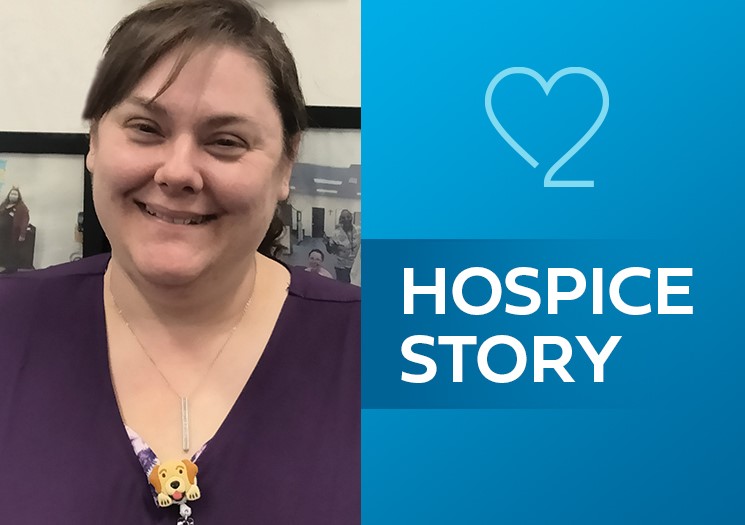
Nancy’s* husband Paul was about to be discharged from a central New Jersey hospital following blood transfusions when his oncologist recommended his family seek hospice care. As he faced the final stages of his terminal illness, Nancy chose Redeemer Health Hospice Care to provide the comfort and support Paul needed at home.
What Nancy didn’t realize then was the huge difference her Redeemer Health care team would make in those final weeks. The Redeemer Health hospice care team, led by nurse Lynna Neuberger (pictured above), provided comfort and guidance to Paul, Nancy, and their two adult children.
According to Nancy, Paul enjoyed their visits. “Their visits encouraged him and gave him strength,” she said. “The team made a huge difference in those final days by ensuring everything was as peaceful and meaningful as possible.”
In this difficult time, the hospice care team was the emotional safety net Nancy and her family needed. “They helped us understand what to expect and treated us with respect,” Nancy says.
“I appreciate their investment in our family,” she adds. Lynna and the hospice care team did everything from teaching them what they needed to know about medications and care to helping make calls and arrangements. The team also was crucial in helping Paul’s daughter, who is deaf, understand what was happening and arranged for ways for her to better communicate with Paul.
For her part, Lynna is grateful of the praise for her team and says it’s a reflection of the greater comradery among the Redeemer Health Home Care and Hospice staff. “I’ve never worked with a care team that has better comradery and fluidity. We meet people where they are and connect with them in meaningful ways,” she says.
After hearing several friends share unsettling stories of struggles with end-of-life care for their family members, Nancy realized how special her experience was and looked for ways to help others. One way was through a generous gift from Paul’s family foundation to further help us provide outstanding hospice care.
Nancy also decided to share her story to be instructive to others. According to her, the key is the quality of the people—they must have respect for the patient and their family and have a willingness to teach. She saw this quality in the care she received from the Redeemer Health hospice care team.
*Fictitious names have been used to respect patient privacy.
categories:

Moving to a new residence is a big step, but choosing the right time of year can make all the difference. Fall offers many advantages for those considering a move.
The cooler temperatures make the moving process more enjoyable and less physically demanding than the heat of summer or the harsh cold of winter. Plus, the season's foliage and beauty enhance the overall experience. This is especially true for those who move to The Lafayette, a Redeemer Health senior living community surrounded by the beauty of Pennypack Park and spectacular woodland views.
Moving during the fall also provides a relaxed atmosphere, making it easier to adapt to your new surroundings. But that's not all. Fall is a lively time in senior living communities, offering a wealth of activities to connect with like-minded individuals.
At The Lafayette we offer a vibrant independent living lifestyle, hosting a wide range of engaging events from September through December. Think holiday-themed gatherings, food festivals, live entertainment, and discussion groups—all designed with residents’ interests in mind.
Find the Right Senior Living Community
When contemplating a move to a senior living community, it's important to explore various options available to you. In our region, there are many independent living communities. Rest assured, with the wide range of choices available, you're certain to find one that aligns perfectly with your needs and preferences.
At The Lafayette, we encourage and welcome visitors to experience and learn more about our community through a personal tour or by attending one of our events. You can easily request to be put on our mailing list to be notified of an event and/or arrange a tour by contacting 215-214-2877 or visiting redeemerhealth.org/LafayetteLiving.
Prepare for a Stress-Free Move
Once you've made the decision to move, it's time to start organizing and planning. While at first, it may feel overwhelming, with proper planning and organization, your move can be a stress-free experience. Breaking tasks down into manageable steps is a great first step. Take the time to decide if you would like to engage family or friends, or the expertise of a professional downsizing (or as we like to say “right-sizing”) expert.
Decluttering, donating, or selling items you no longer need can make your move lighter. Properly labeling boxes and prioritizing essential items will ensure easy unpacking. And amid all the energy and excitement, remember to prioritize self-care and rest. At The Lafayette, our helpful team specializes in helping you find the right resources, so you can spend your time getting acclimated and involved in the community.
Your New Home Awaits
Moving into a senior living community can be an exciting leap forward. It’s the start of a new chapter and autumn is the perfect season to get to know new neighbors, meet resident ambassadors, and participate in events as we enter the holiday season.
At The Lafayette, we would be delighted to introduce you to our vibrant community and all of the possibilities that await! For more information, visit redeemerhealth.org/LafayetteLiving or call 215-214-2877.
categories:

September is National Ovarian and Gynecological Cancer Awareness Month – the perfect time to schedule your well-woman exam and any preventive health screenings that are due.
Gynecological cancers refer to cancers affecting the female reproductive system. There are distinct signs, symptoms, and risk factors for each type of gynecological cancer, including hereditary factors. All women are at risk for gynecological cancers; that risk tends to increase as we age.
The National Cancer Institute estimates that more than 106,000 women in the U.S. will receive a gynecological cancer diagnosis in 2023. While there are several categories of gynecological cancers, our focus is ovarian cancer, which includes cancers of the ovaries, fallopian tubes, and in rare instances, the primary peritoneum (the thin layer of tissue that lines the pelvis and abdomen).
The signs and symptoms of ovarian cancer vary from woman to woman, and may include:
- General abdominal discomfort or pain
- Nausea, diarrhea, constipation or frequent urination
- Loss of appetite
- Unusual fatigue
- Pain during sex
- Unexplained weight loss or gain
- Bloating and/or a feeling of fullness, even after a light meal
- Abnormal vaginal bleeding
- Back pain
- Menstrual changes
Experiencing these symptoms does not always mean you have ovarian cancer. If any of these are new symptoms, if they persist for longer than a few weeks, or if they occur frequently (more than 12 times a month), it’s important to discuss them with your doctor.
What are the risks for ovarian cancer?
There are several known risk factors that increase a woman's likelihood of developing ovarian cancer. These include:
- Age: Women older than 50 are at higher risk.
- Family history: Especially if a woman has a first-degree relative who has had ovarian or breast cancer.
- Genetic factors: This includes genetic mutations such as those in the BRCA1 and BRCA2 genes.
- Never having children: Pregnancy and childbirth can have a protective effect, and women who have never given birth are at higher risk.
- Other risk factors include: Early onset of menstruation or late onset of menopause, hormone therapy, obesity, and smoking.
Not everyone with risk factors gets ovarian cancer. However, if you have risk factors, it’s a good idea to discuss them with your healthcare provider. It is also worth noting, anything that stops ovulation for a time may lower the average woman’s risk of ovarian cancer.
How is ovarian cancer diagnosed?
Ovarian cancer often presents no signs or symptoms, and there are currently no routine screening exams to detect this disease at its earliest stages. That’s why it’s important to schedule regular check-ups with your healthcare provider.
The following testing and diagnostic options are also available, which may help:
- Pelvic examination to check for any abnormalities or masses in the ovaries;
- Imaging tests such as ultrasound, CT scan, MRI or PET scan to help detect any tumors or cysts;
- Blood markers to assess the levels of certain proteins associated with ovarian cancer;
- A biopsy, if any abnormalities are detected, and
- Genetic testing in cases where there is a family history or suspected hereditary factors.
Take advantage of National Ovarian and Gynecological Cancer Awareness month as a reminder that looking after yourself isn't selfish. In fact, it can save your life! Know your body, pay attention to symptoms, and don’t be afraid to ask for help if something doesn’t feel quite right.
Don’t wait. Schedule your well-woman exam today. To find a Redeemer Health OB/GYN, call 800-818-4747 or visit the Redeemer Health website.
categories:
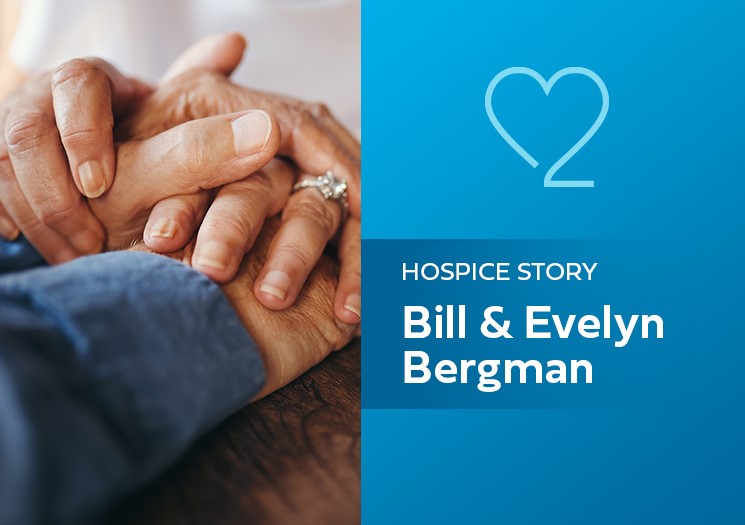
Evelyn Bergman ran marathons until she was 66. She was very fit, said her husband, Bill. Evelyn was even bike training into her 70s. A headache, though, on a February evening two years ago, ultimately led to a trip to the operating room. After her surgery, Bill cared for Evelyn at home as best he could, but she never fully recovered and he eventually reached out to an old friend for advice.
“I called Alan about palliative care,” Bill recalled, referring to Alan Rosenberg, Executive Vice President of Redeemer Health Home Care and Hospice. The two gentlemen were old friends from way back. They had lunch and talked about options. Alan introduced Bill and Evelyn to Brenda Buzydlowski, DO, a palliative care specialist at Redeemer Health.
Dr. B, as Bill calls her, explained the difference between palliative care and hospice care, and by last September Evelyn had been admitted to at-home hospice. Six months later, she passed away in the care of people who made the experience easier to bear for both of them.
Bill and Evelyn were married in 1970, led active lives and successful careers. He was a chief inspector at the Philadelphia Police Department and chief of staff at Temple University. Evelyn was a 20-year ER nurse. As a result, they both knew what compassionate service and a culture of caring are all about, and they found it at Redeemer Health.
“Redeemer Health’s home hospice program made a difficult situation easier to handle,” Bill said. “Everyone has a compassionate spirit. The nurses, the chaplains, the social workers…they care about people. And Dr. B is fabulous.”
According to Sarah DiPadova, Director of Clinical Operations at Redeemer Health Home Care and Hospice, “Palliative care offers an additional level of education, support and care to patients and their families. Monitoring patients and managing symptoms can help prevent needless office visits and hospital admissions. But when the appropriate time comes, a palliative care team can offer the education and support necessary to make a timelier and smoother transition. The eventual hospice admission gives patients and their families more support when they need it.”
Bill acknowledged that one of the benefits of the advanced care Evelyn received at home was avoiding burdensome trips to doctors’ offices. They also found solace in Redeemer Health hospice care being available in both Pennsylvania and New Jersey, since Evelyn enjoyed spending time at the Bergmans’ beach house at the Jersey shore.
The advice Bill and Evelyn received from Alan, and the care managed by Dr. Buzydlowski, served the couple well. “Evelyn was comfortable, in the care of people who truly made a difference. Even after she passed, I found compassion and respect during phone calls with the Redeemer team.”
To learn more about palliative care and hospice care in the home, visit Redeemer Health’s website, and call 888-678-8678 to find out how you can access care for a loved one.
categories:

August is National Breastfeeding Month and a great time to discover the beauty and importance of breastfeeding. If you're a new or soon-to-be mom, you've probably heard about the amazing benefits of breastfeeding. However, getting the proper guidance and support can sometimes be a challenge.
According to the Centers for Disease Control and Prevention (CDC), breastfeeding is the best source of nutrition for most infants, providing all the necessary vitamins and nutrients for growth and development.
How does breastfeeding protect both mom and baby? Breast milk contains antibodies that help protect against infections and illnesses, reducing the risk of certain health conditions for both infants and mothers.
- Some of the benefits for infants include reduced risk of respiratory infections, ear infections, and diarrhea. Breastfeeding has also been linked to a lower risk of sudden infant death syndrome (SIDS).
- For mothers, breastfeeding can reduce the risk of breast and ovarian cancer, and may lower the risk of type 2 diabetes.
- Breastfeeding triggers the release of hormones such as oxytocin and prolactin, which not only promote the production of breast milk but also contribute to stress reduction and relaxation for both mother and baby.
Breastfeeding in the early weeks can sometimes be a challenge for new moms, but the benefits are worth it! Everyone in your circle can play an important role in the following ways:
- Family members can help with household chores or caring for other children, freeing up your time to focus on breastfeeding;
- Your healthcare provider can provide you with valuable information and resources, such as lactation consultants, breastfeeding support groups, or online forums, and
- If and when you return to work, your employer can assist by providing a private space for pumping, flexible schedules, and other accommodations to make continued breastfeeding feasible.
Redeemer Health can also be a great resource for women who choose to breastfeed. We have earned the Keystone 10 (K10) designation from the PA Department of Health and the American Academy of Pediatrics Pennsylvania Chapter. This recognition underscores our commitment to promoting and supporting breastfeeding.
“Being part of the Keystone 10 quality improvement breastfeeding initiative highlights our commitment to promoting and supporting breastfeeding. It also helps us achieve our goal of enhancing breastfeeding care, rates, and ultimately enhancing the health of both moms and babies,” says Christina Marczak, Director of Maternal Child Health at Redeemer Heath.
At Redeemer Health, our compassionate, knowledgeable lactation consultants will give you personalized support and guidance every step of the way. We also offer a variety of breastfeeding resources and videos on our website and in our online community @redeemerbaby on Instagram and Facebook, where you can meet and stay connected with other new moms.
To learn more about our maternity care services and to download other useful educational materials about childbirth, breastfeeding, and after-delivery care, visit redeemerhealth.org/maternity-care.